


bone health

Can Copper Help With Collagen Production?
Did you know that something really important in our bodies starts to disappear as we get a little older, like when we're in our mid-20s to 30s? It's called collagen, and it's like a magic ingredient that keeps our skin looking smooth and helps our bodies bend and move quickly. Imagine it as a special kind of glue that holds us together, making sure everything stays strong and works the way it's supposed to—from our bones to our hair! But when we don't have enough collagen, our skin can get wrinkly, our joints might feel stiff, and even our muscles can weaken. The cool part? We can eat certain foods to help our body make more collagen, including incorporating copper and citrus fruits into a balanced diet.

Can Lead Toxicity Cause Cognitive Decline?
Lead toxicity is often thought of in context with its damaging effects on our bones, but what about our brains? Research is now uncovering a startling connection between lead exposure and the deterioration of brain health, with a particular focus on the baby boomer generation. This connection draws a line from our industrial past to the cognitive challenges many adults face as they age. Through a comprehensive study, scientists have explored the relationship between the amount of lead in the blood and tissues and declining mental acuity. The findings suggest that for those in their golden years, especially among African American communities, the invisible threat of high lead levels may be quietly shaping their quality of life, including decreased kidney function.

Can Lithium Help Children With Bipolar Disorder?
Lithium often conjures images of heavy-duty batteries or prescription medications, certainly not as a health supplement one might readily give to the pediatric population. But beneath this utilitarian facade lies a surprisingly gentle giant in health and wellness—perfectly safe in reasonable doses and incredibly beneficial for cognitive and physiological functions, especially when early intervention is considered. Proving its value beyond psychiatric care, lithium is pivotal for neurological health, mood stabilization, and even detoxification.

When Is A Good Time To Use Upgraded Trace Minerals?
Did you know putting trace mineral drops in your water can help your body stay healthy? It does a lot more than just add minerals into spotless water. That's right! Our Upgraded Trace Mineral drops give you essential tiny minerals that our bodies need a little bit of. Still, they're necessary to keep our bodies working as a daily supplement. These essential minerals, also known as trace minerals, are vital for maintaining overall health and are divided into significant minerals and small amounts of trace minerals.

Understanding Phosphorus and Tissue Building Dynamics
As we get older, our bodies change in many ways. One significant change is the loss of different tissue types, which can affect how we look, feel, and move. In this blog, we will explore the tissues most affected by aging and what causes this loss in healthy adults. We'll discuss muscle, bone, skin, connective, fat, and nerve tissues and explain how they change as we age. We will also share tips on how to slow down tissue loss and keep our bodies healthy. Finally, we'll highlight the critical role nutrients play in maintaining tissue health, focusing on phosphorus homeostasis, a crucial process that regulates phosphorus levels in the body within the normal range.

How Do We Develop Cadmium Toxicity?
Cadmium toxicity represents a significant public health issue stemming from exposure to elevated concentrations of cadmium. This heavy metal is prevalent in many industrial processes and consumer products. Individuals are exposed to cadmium through several pathways: inhaling polluted air, consuming tainted food or water, and through direct skin contact. After entering the body, cadmium primarily targets and accumulates in the kidneys and liver, causing cadmium poisoning.

How Do You Get Lead Toxicity?
Despite stringent regulations and increased awareness of its hazards, lead remains a pervasive toxic threat in the modern world. Efforts to reduce lead exposure have been significant, yet the element's presence persists across various industries and products, underlining the ongoing challenge of mitigating its risks.
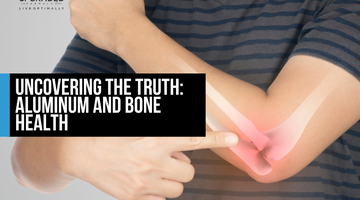
Can Aluminum Affect Our Bone Health?
Aluminum is one of the most prevalent toxic substances in the earth's crust, and its presence in our environment can harm our health. High aluminum content in the body has been linked to harmful effects on the nervous system and is a concern for individuals receiving total parenteral nutrition. It is crucial to be aware of the potential impact of aluminum on bone health and take steps to minimize exposure to this toxic substance.

Can Magnesium Deficiency Affect Hydration?
Have you ever experienced dehydration so acutely that your skin feels parched, your mouth resembles a barren landscape, and your hands and legs begin to resemble a flaky autumn leaf? It's as though every step you take echoes the arid paths of the Sahara Desert.
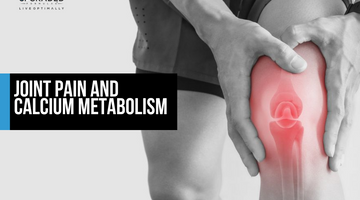
Is Your Calcium Metabolism Causing Joint Pain?
Pain, an unwelcome experience at any stage of life, often leads us down the path of quick fixes, invariably ending with the temporary relief offered by pain medication. Yet, when it comes to joint pain – a condition notorious for its gradual onset and aggravating persistence – the go-to solution of merely 'popping a pill' falls alarmingly short of providing lasting relief. One commonly used medication for joint pain is acetaminophen, also known as Tylenol®.

How Boric Acid Can Fight Off Yeast Infections?
No one hopes to encounter a yeast infection, and it’s easy to see why. The symptoms—an encompassing discomfort, relentless itchiness, and, for some, considerable pain—are not just physically taxing but also mentally overwhelming. These symptoms can drastically impair one’s ability to concentrate on daily activities and provoke a genuine quest for immediate relief.

Magnesium Benefits You Should Know
In recent years, magnesium has gained attention as a powerhouse nutrient with numerous health benefits. This essential mineral is involved in over 300 biochemical reactions in the body, making it crucial for overall health and well-being. From supporting energy production to promoting heart health, magnesium plays a vital role in many of our body's essential functions.