


minerals

Iodine Deficiency and Fatigue: Is This Why You're Tired?
There are several nutrients we need for energy, and while many people think of essential vitamins like B vitamins, vitamin D3, and vitamin C, elements such as iodine can be a crucial nutrient we might be lacking if we are constantly lagging.
Low iodine intake can lead to fatigue primarily because iodine is essential for the production of thyroid hormones. The thyroid gland uses iodine to make hormones like thyroxine (T4) and triiodothyronine (T3), which regulate the body’s metabolism. When iodine levels are insufficient, the thyroid cannot produce adequate amounts of these hormones—leading to hypothyroidism.
For those looking deeper into nutrient imbalances, tools like hair tissue mineral analysis (HTMA) may provide insight into iodine status and broader mineral patterns.

Can Minerals Help With Teeth Whitening?
Did you know that minerals can help maintain whiter-looking teeth—without relying on artificial whitening treatments at the dentist?
Calcium and silica can contribute to the appearance of whiter teeth through different but complementary mechanisms involving enamel health, stain removal, remineralization, and light reflection. While neither acts as a chemical bleach like hydrogen peroxide, both are widely used in oral care because they support cleaner, smoother, and stronger tooth surfaces. Over time, this can make teeth look noticeably whiter.
From strengthening enamel to reducing surface stains, minerals play a foundational role in long-term dental aesthetics and health.

What are the most common mineral deficiencies
We all want to feel good by eating right, moving our bodies, and taking the right vitamins. Still, there are basic minerals to know about. We should all look out for them in case we do not have enough in our bodies. There are three important minerals that many people do not get enough of. These minerals are magnesium, iodine, and zinc.

Can Taking Electrolytes Be Dangerous?
We all want to grab a good drink when it gets hot, like one with electrolytes. But could these drinks or powders have some side effects, or maybe be not right for everyone? Before we go on, let’s look at why the body needs electrolytes. Electrolytes are a group of minerals. Some examples are sodium, potassium, calcium, magnesium, chloride, phosphate, and bicarbonate. They carry an electric charge in the body and help with basic things our bodies do. One big job they have is to help nerves and muscles work. For instance, sodium and potassium help to make nerve messages move across our cells so our muscles, including the heart, can work properly. If the balance gets messed up, you could feel things like muscle cramps, feel weak, or your heartbeat could feel off.

How Can Soft Drinks Lower Calcium Levels?
We all have heard that drinking too much sugar from cokes, sprites, and ginger ales can be bad for our teeth. People also say it might be bad for our metabolism. But no one talks about how it could change the calcium in your body, do they? Soft drinks are not good for you for several reasons. The biggest one is that they have a lot of sugar. They also have little to no nutrients. These drinks can make several parts of your body feel bad. Most regular sodas have extra sugar in them, like high-fructose corn syrup or sucrose. If you drink one can of soda, you might get up to 10 teaspoons of sugar. That is more than what health experts, like the World Health Organization (WHO), say people should have in a day. If you keep drinking this much sugar, your blood sugar and insulin levels can jump up fast. Over time, this may give you a bigger chance of getting type 2 diabetes, metabolic syndrome, or problems using insulin.

Top 3 Minerals to Consider If You Have Anxiety
Are you feeling overwhelmed by all the remedies for anxiety? You're not alone! There's a ton of stuff out there claiming to help, and it's hard to know where to start. But don't worry, we've got your back.

What Nutrients Do We Need To Make Stomach Acid?
Ever think about why your stomach hurts after eating too much? This is not just annoying; low gastric acid and low levels of stomach acid are crucial for your health and play a significant role in the digestive process! Your stomach needs to have much stomach acid, enough hydrochloric acid to break down food and absorb nutrients.

What Minerals Are Essential For Thyroid Health?
Did you know that there's a tiny butterfly-shaped gland in your neck called the thyroid, and it's super important to your body? Imagine it as a little factory making particular messages called hormones, which tell your body how to use energy, keep warm, and grow properly. But sometimes, this factory doesn't work right because it doesn't have the suitable materials, like certain minerals, to do its job well. Today, we will discuss some fantastic minerals that are superhero helpers for your thyroid.

Understanding Phosphorus and Tissue Building Dynamics
As we get older, our bodies change in many ways. One significant change is the loss of different tissue types, which can affect how we look, feel, and move. In this blog, we will explore the tissues most affected by aging and what causes this loss in healthy adults. We'll discuss muscle, bone, skin, connective, fat, and nerve tissues and explain how they change as we age. We will also share tips on how to slow down tissue loss and keep our bodies healthy. Finally, we'll highlight the critical role nutrients play in maintaining tissue health, focusing on phosphorus homeostasis, a crucial process that regulates phosphorus levels in the body within the normal range.
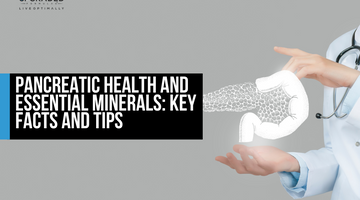
What Minerals Does The Pancreas Need?
Often overshadowed by other organs, the pancreas is a cornerstone of our digestive and endocrine systems, performing tasks vital to our health and well-being. Despite its modest size, the importance of the pancreas extends far beyond its physical dimensions, serving critical roles in processing the food we eat and regulating our body's sugar levels.
Why Liquid Nano Minerals?
Welcome to our blog on liquid nano minerals! This article will explore the importance of minerals in our health and why liquid nano minerals are a game-changer in mineral supplementation. Minerals are essential for our body's overall functionality and crucial in red blood cell production, immune system support, and enzyme reactions.

Why Minerals Are essential For Heart Health?
For many individuals, heart health is often oversimplified to the mantra of "exercise more, eat less cholesterol, and limit your salt intake." While these pieces of advice do hold some value, they barely scratch the surface of the broader and often under-explored intricacies of heart health. More importantly, this standard advice usually neglects one critical aspect of overall cardiovascular health: the central role of essential nutrients, particularly minerals like vitamin E, in maintaining a healthy heart.